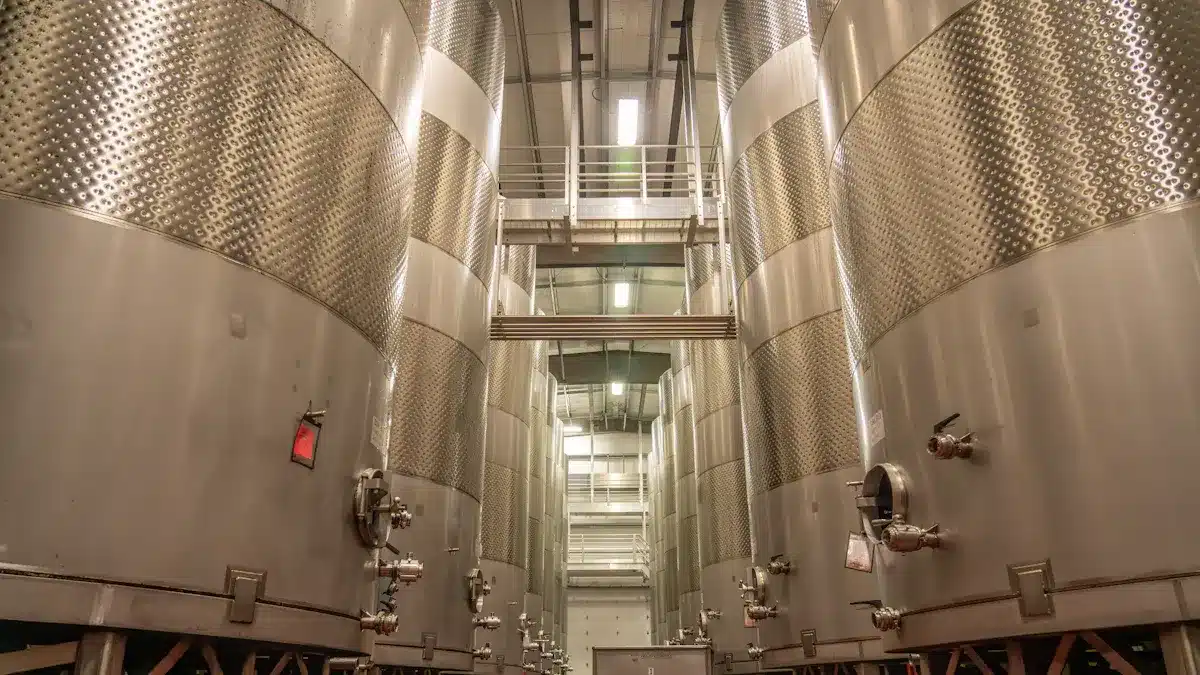

Is stainless steel oil tank good for storing oil? If you’ve ever bought a large bottle of olive oil only to have it go rancid before you could finish it, you know how critical the right storage container is. The wrong material can ruin flavor, destroy nutritional value, and even leach harmful chemicals into your oil.
Stainless steel has become the global gold standard for oil storage—used in home kitchens, restaurants, and industrial food production facilities alike. In this guide, we’ll explain exactly why stainless steel is the best choice, how it compares to other materials, and how to properly store oil to maximize freshness and shelf life.
Key Takeaways
- Stainless steel is non-reactive and food-safe, preserving the original taste, aroma, and nutritional value of all edible oils
- It blocks 99% of UV light, slowing oxidation and extending oil shelf life by up to 2x compared to plastic
- Food-grade 304 stainless steel is corrosion-resistant and will never leach harmful chemicals into your oil
- Its smooth, non-porous surface is easy to clean and prevents bacterial growth
- Stainless steel containers last 15–50 years, making them the most cost-effective long-term option
- Shandong Chenma Machinery offers certified 304 stainless steel tanks for commercial and industrial oil storage
Stainless Steel vs. Other Oil Storage Materials

The table below compares stainless steel to the most common oil storage materials across all critical factors:
| Storage Material | Light Protection | Thermal Conductivity (W/m·K) | Chemical Stability | Durability (Years) | Ease of Cleaning |
|---|---|---|---|---|---|
| Stainless Steel 304 | Excellent | ~16 | Perfectly inert | 15–50 | Very Easy |
| Dark Glass | Very Good | ~1.1 | Inert | Variable (fragile) | Moderate |
| Clear Glass | Poor | ~1.1 | Inert | Variable (fragile) | Moderate |
| Plastic (HDPE) | Poor | 0.1–0.5 | May leach chemicals | 10–20 | Easy |
| Ceramic | Excellent | ~1.5 | Inert | Moderate (chips easily) | Difficult |
| Unlined Copper/Aluminum | Poor | High | Highly reactive | 5–10 | Moderate |
Key Takeaways from the Comparison
- Plastic is the worst option: it lets UV light penetrate, can leach phthalates and BPA into oil, and speeds up oxidation
- Clear glass offers no UV protection, causing oil to degrade 3–4 times faster than in stainless steel
- Ceramic provides good protection but is heavy, fragile, and difficult to clean thoroughly
- Stainless steel outperforms all other materials in every category except initial cost
Key Advantages of Stainless Steel for Oil Storage
1. Non-Reactive and Food-Safe
This is the most important benefit for food storage. Stainless steel is completely inert—it does not react with oil or any other food substance. Unlike aluminum, copper, or some plastics, it will never leach harmful chemicals, alter taste, or create off-odors.
Food-grade 304 stainless steel meets all global food safety standards, including ISO 22000 and FDA 21 CFR Part 175. Shandong Chenma Machinery uses only certified 304 stainless steel in all our oil storage tanks, ensuring maximum safety for your products.
2. Superior UV and Light Protection
Light is the single biggest cause of oil degradation. UV rays trigger oxidation, the chemical process that makes oil go rancid, destroys antioxidants, and creates harmful free radicals.
Stainless steel is completely opaque, blocking 99% of UV light and visible light. This slows oxidation dramatically, keeping oil fresh and nutritious for much longer than clear glass or plastic containers.
3. Excellent Thermal Stability
Temperature fluctuations are another major cause of oil spoilage. High heat accelerates oxidation, while cold temperatures can cause oil to solidify and separate.
Stainless steel has a much higher thermal conductivity than glass or plastic (16 W/m·K vs. 1.1 W/m·K for glass). This means it quickly equalizes temperature, preventing hot spots and maintaining a more stable environment for your oil.
4. Unmatched Hygiene and Easy Cleaning
Stainless steel has a smooth, non-porous surface that does not absorb oil, trap food particles, or harbor bacteria. Unlike porous wood or plastic, it will not retain odors or stains, even after years of use.
Cleaning stainless steel oil containers is simple:
- Drain all remaining oil and sediment
- Rinse with warm water to loosen residue
- Clean with a mild alkaline cleaner (such as dish soap) to break down grease
- Scrub gently with a soft brush
- Rinse thoroughly with clean water
- Sanitize with a food-safe disinfectant
- Dry completely before refilling
5. Exceptional Durability and Longevity
Stainless steel is incredibly strong and impact-resistant. Unlike glass, it will not shatter if dropped. Unlike plastic, it will not crack, warp, or degrade from UV exposure.
With proper care, stainless steel oil containers can last 15–50 years, and some industrial tanks remain in service for over 100 years. This durability means fewer replacements, less waste, and lower total cost of ownership over time.
Practical Tips for Storing Oil in Stainless Steel

Choose the Right Container
- Material: Always use food-grade 304 stainless steel. For highly acidic oils or industrial applications, 316 stainless steel offers enhanced corrosion resistance.
- Seal: Look for containers with airtight silicone gaskets. Oxygen is the second biggest cause of oil spoilage, so a tight seal is critical.
- Size: Choose a container that matches your usage rate. Smaller containers minimize headspace, reducing oxygen exposure.
- Finish: A smooth, polished interior finish makes cleaning easier and prevents bacterial growth.
Follow These Storage Best Practices
- Store oil in a cool, dark place away from direct sunlight and heat sources (such as stoves or ovens)
- Keep containers tightly sealed when not in use
- Avoid temperature fluctuations—do not store oil near windows or exterior doors
- Use older oil first to ensure maximum freshness
- Clean and sanitize containers every time you refill them
Expected Shelf Life
When stored properly in stainless steel containers:
- Extra virgin olive oil: 6–12 months
- Refined olive oil: 12–18 months
- Vegetable oil (canola, sunflower, etc.): 12–24 months
- Coconut oil: 2–5 years (solid form)
Conclusion
So, is stainless steel good for storing oil? The answer is a definitive yes. Stainless steel offers an unbeatable combination of safety, durability, and freshness preservation that no other material can match.
Its non-reactive surface keeps oil pure, its UV resistance slows oxidation, and its long lifespan makes it the most cost-effective option over time. Whether you’re storing oil for home use or running a commercial food production facility, stainless steel containers are the best choice for protecting the quality and safety of your oil.
For the highest quality stainless steel oil storage tanks, choose Shandong Chenma Machinery. Our products are built to the strictest industry standards and backed by decades of experience in food processing equipment.
FAQ
Can stainless steel containers change the taste of oil?
No. Stainless steel is completely inert and will not react with oil. It will never alter the taste, aroma, or nutritional value of your oil. This is why it is the preferred material for professional food producers worldwide.
How long can oil stay fresh in stainless steel containers?
When stored properly in a cool, dark place, extra virgin olive oil will stay fresh for 6–12 months in stainless steel. Refined oils can last 12–24 months. Airtight sealing and minimal headspace will extend shelf life even further.
Is stainless steel easy to clean after storing oil?
Yes. Stainless steel’s smooth, non-porous surface does not absorb oil or trap residue. It cleans easily with warm water and mild soap, and it will not retain odors or stains.
Are stainless steel containers safe for all types of oil?
Yes. Stainless steel is safe for all edible oils, including olive oil, vegetable oil, coconut oil, and more. It is also suitable for industrial oils and lubricants.
What is the difference between 304 and 316 stainless steel for oil storage?
304 stainless steel is the most common and cost-effective choice for all standard edible oil applications. 316 stainless steel contains molybdenum, which provides enhanced corrosion resistance to highly acidic oils, saltwater, and harsh cleaning chemicals. It is typically used for industrial applications and specialty oils.
What size stainless steel container should I choose?
Choose a container size that matches your usage rate. For home use, 1–5 liter containers are ideal. For commercial use, Shandong Chenma Machinery offers tanks from 100L to 100,000L to meet any production need.