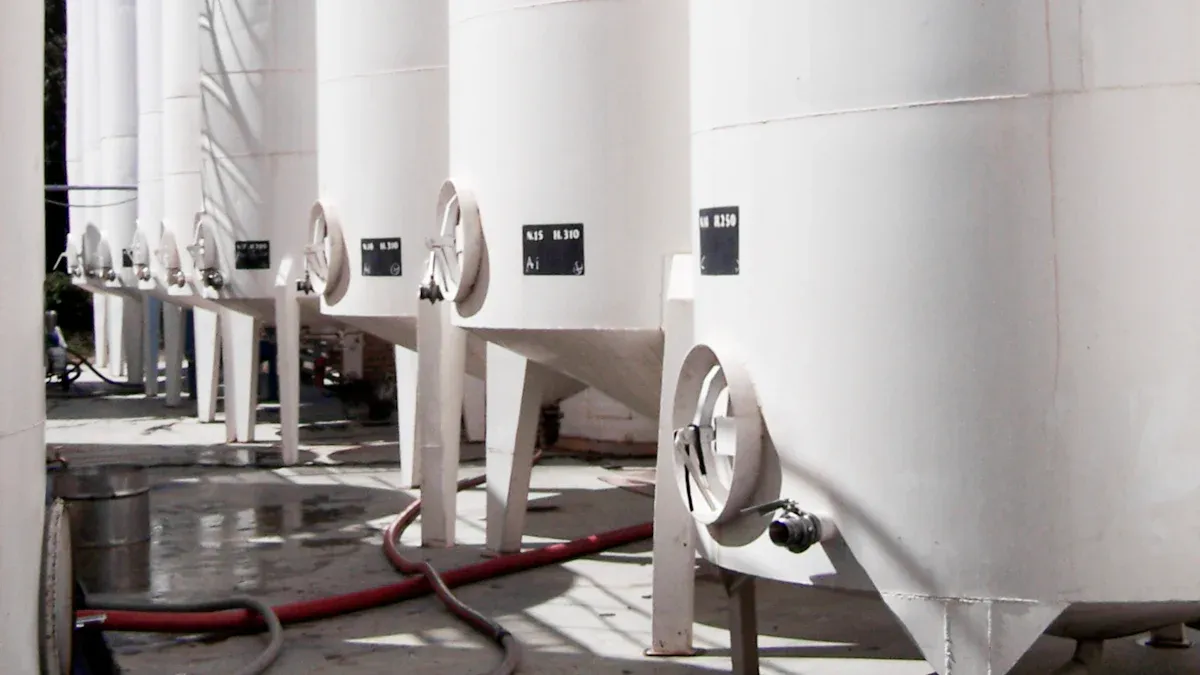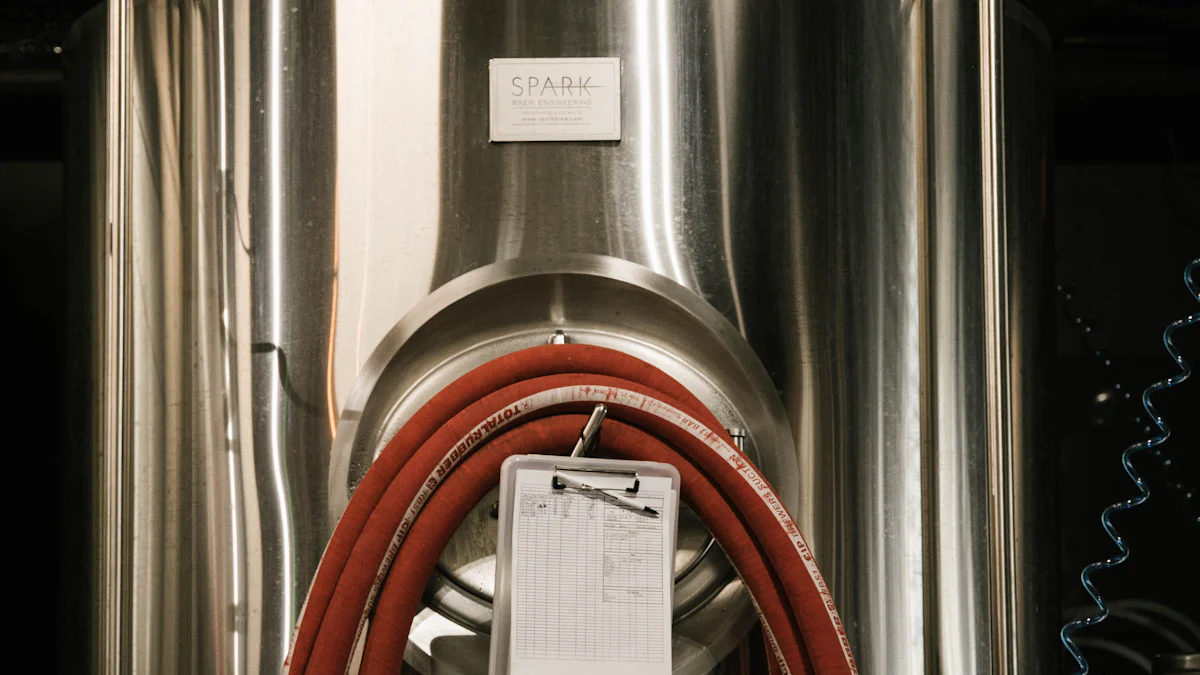

Yes, storing water in stainless steel tanks is ideal for most residential, commercial, and industrial applications. Stainless steel is the gold standard water storage material because it naturally resists corrosion, leaches no chemicals into stored water, and lasts 30–50 years or more.
This guide covers how stainless steel tanks work, their cost trade-offs, maintenance requirements, safety certifications, and best-use scenarios to help buyers make an informed decision.
Key Takeaways
- Food-grade stainless steel leaches no chemicals, keeping stored water pure and safe for drinking.
- Upfront cost is higher than plastic or concrete, but lower lifetime maintenance and replacement costs offset it.
- Routine cleaning every 3–5 years is sufficient for water storage systems.
Why Stainless Steel Tanks Excel

Corrosion Resistance and Long Lifespan
Stainless steel’s corrosion resistance comes from a thin, self-healing chromium oxide film on the surface. When the metal is scratched, this film reforms on contact with oxygen, creating a permanent barrier between the tank wall and stored water. This built-in protection makes stainless steel far more rust-resistant than galvanized or glass-lined tanks, even with mildly acidic water.
| Tank Material | Typical Lifespan |
|---|---|
| Glass-lined steel | 8–12 years |
| Galvanized steel | 20–40 years |
| Stainless steel | 30–50+ years |
Commercial-grade stainless steel tanks deliver 30+ years of service; in low-corrosion environments, they routinely exceed 50 years. Regular inspections, prompt rust treatment, and following manufacturer guidelines extend service life further.
No Chemical Leaching and Superior Hygiene
Stainless steel is non-porous and chemically inert, so it does not react with stored water or leach metals. Independent testing confirms that metal concentrations in properly stored water remain undetectable. The U.S. FDA approves food-grade stainless steel for direct contact with consumables.
Leaching only occurs in rare edge cases: low-grade uncertified steel, deep scratches exposing base metal, prolonged storage of highly acidic liquids (below pH 3), or counterfeit products — all consequences of poor manufacturing, not the material itself.
| Material | BPA Risk | Microplastic Shedding | Heat Stability | Chemical Leaching |
|---|---|---|---|---|
| Plastic (BPA-free) | Low (other chemicals present) | Yes | Degrades above 140°F | Possible with heat/age |
| Aluminum (lined) | Depends on lining | No | Good | If lining degrades |
| 18/8 Stainless Steel | None | No | Excellent (up to 500°F+) | None |
Unlike plastic tanks that absorb heat and impart off-flavors, stainless steel reflects heat and keeps water cool, with no chemical aftertaste.
Cost vs. Long-Term Value of Stainless Steel Tanks
Stainless steel tanks cost 30–50% more upfront than coated carbon steel or plastic alternatives. However, the math favors stainless steel over the lifecycle:
| Parameter | GRP Water Tanks | Stainless Steel Water Tanks |
|---|---|---|
| Average Lifespan | 20–25 years | 50+ years |
| Initial Cost | Lower | Higher |
| Maintenance Cost | Moderate | Low |
| Corrosion Resistance | Good | Excellent |
Coated tanks require recoating every 5–10 years, incurring direct maintenance costs plus downtime for system shutdown. Early coating failure can cause product contamination and premature replacement. A well-built stainless steel tank, by contrast, operates 30+ years with only routine checks and cleaning — making it the lower total-cost option over time.
Maintenance and Cleaning of Stainless Steel Tanks
Stainless steel’s smooth interior surfaces and precision welds minimize residue buildup, making cleaning faster and easier than fiberglass (prone to micro-cracking) or coated tanks.
Cleaning frequency depends on application:
- Water storage: every 3–5 years
- Fuel storage: every 5–10 years
- Accumulated sludge, sediment, or microbial growth may shorten intervals
A typical cleaning routine: add dilute bleach or sanitizing solution, fill with water, let stand overnight, agitate during draining, then flush thoroughly with clean water until no sanitizer residue remains.
Where Stainless Steel Tanks Fit Best

Residential Applications
Homeowners choose stainless steel tanks for drinking water storage, emergency preparedness, and everyday household use. The non-porous surface prevents bacterial growth, keeps water fresh during long storage, and avoids the plastic taste or odor common in plastic tanks. Unlike plastic tanks that degrade from UV exposure every 10–20 years, a stainless steel tank delivers decades of reliable service.
Commercial and Industrial Applications
Stainless steel tanks are the standard across food and beverage (dairy, wineries, edible oils), pharmaceutical, water treatment, and chemical processing facilities. Hospitality, office buildings, shopping malls, and schools also use them for high-occupancy water storage.
Demand drivers include:
- Rapid industrialization in emerging economies
- Ease of cleaning and minimal maintenance for facility managers
- Government water infrastructure and smart city initiatives
- Regulatory compliance replacing older storage systems
- Full recyclability and lower environmental footprint
CHENMA stands out as a trusted supplier: ISO 9001 and ISO 14001 certified, CE-marked on select models, offering 304/316 stainless steel tanks with customizable capacities up to 50,000 liters. Optional features include level indicators, manholes, heating, and insulation. With a 20,000 m² production facility and full engineering support, CHENMA tanks deliver 20+ year service life across water, dairy, wine, oil, and industrial applications.
FAQ
How long does a stainless steel water tank last?
A well-made stainless steel tank lasts 30–50+ years with proper maintenance, compared to 10–20 years for plastic tanks. Regular inspection and cleaning maximize service life.
Does stainless steel leach chemicals into stored water?
No. Food-grade stainless steel is chemically inert and approved by the FDA for direct food contact. Independent testing shows no detectable metal leaching from properly manufactured tanks.
Why do stainless steel tanks cost more upfront?
Higher-grade materials (304/316 stainless steel) and precision fabrication drive upfront cost. However, lower maintenance, fewer repairs, and a 30–50 year lifespan make total cost of ownership lower than cheaper alternatives over time.
How often should a stainless steel water tank be cleaned?
Water storage tanks require cleaning every 3–5 years. Smooth interior surfaces and precision welds reduce buildup, making cleaning quick with a dilute bleach solution followed by thorough flushing.
What certifications should buyers look for?
NSF/ANSI 61 for drinking water contact safety, ASME Section VIII for pressure vessels, and ISO 9001/14001 for quality and environmental management. CHENMA tanks meet these standards, with CE certification on select models.