Case - CHENMA

Where to store wine when fermenting?

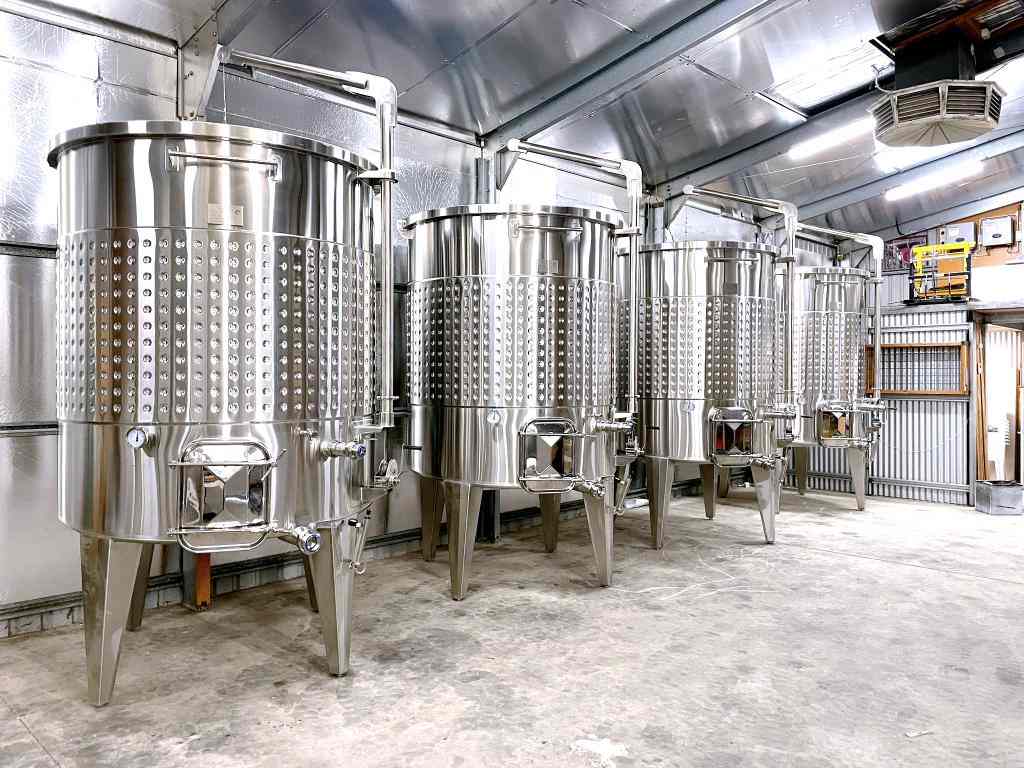
Winemakers use stainless steel wine tanks, glass carboys, and food-grade plastic fermenters to store wine during fermentation. Good storage needs a steady temperature, strong insulation, and regular checks. These things help yeast work well and keep the flavor safe. Chenma’s wine tank solutions help winemakers keep fermentation stable, so the wine stays good and the same every time. Key Takeaways Wine Tank Options Stainless Steel Wine Tank Many winemakers pick stainless steel wine tanks first. Shandong Chenma Machinery Co., Ltd. makes wine tank solutions that help control temperature and keep things clean. These tanks are made from sanitary stainless steel. This metal does not rust and lasts a very long time. The company can make tanks in different shapes and sizes. Some tanks can be stacked, and some have insulation or cooling jackets. Winemakers can choose a suitable tank manufacturer based on their site space and brewing needs. Tip: Stainless steel wine tanks let you control temperature exactly. This helps yeast do its job and keeps the wine flavor the same. The table below lists the main good things about stainless steel wine tanks compared to other containers: Advantage Description Consistency Stainless steel tanks let you set the temperature just

What kind of metal are IBC totes made of?

IBC totes use stainless steel or carbon steel. The metal you pick changes how well the IBC works. It matters in different places and jobs. In 2023, about 67.21% of metal IBCs used stainless steel. This shows most people like stainless steel. Stainless IBCs fight chemicals well. They have surfaces that fix themselves. This keeps them strong and stops rust. Carbon steel IBCs cost less money. They also fight rust well. This makes them good for many chemicals. Both types keep things safe and last a long time. They work even when things get hard. Key Takeaways Main Metals in IBC Totes IBC totes are made from two metals. These metals are stainless steel and carbon steel. Each metal makes the tote strong in different ways. The metal you pick changes how the IBC works in different jobs. Stainless Steel IBC Totes Stainless steel IBC totes are tough and fight rust well. Makers use grades 304 and 316 for these totes. Grade 304 has 18% chromium and 8% nickel. It can handle many acids. It is good for food, water, and mild chemicals. Grade 316 has 2% molybdenum. This helps it fight harsh chemicals and salty places. Grade 316 is

What is the best container for fermenting wine?

Glass carboys are the best container for making wine at home. They keep things clean and let you watch the fermentation process. Professional winemakers use a wine tank for bigger batches. Closed top and variable capacity tanks help control temperature. They also lower oxidation, which makes the wine better. Home and commercial winemakers pick containers based on their goals and space. Key Takeaways Top Choice for Wine Fermentation Why Glass Carboys Are Popular Most people who make wine at home like to use glass carboys. These containers are great for making small amounts of wine, especially white wine. Many winemakers pick glass carboys because they keep air out. This helps the wine taste good and keeps its quality. The clear glass lets you see what is happening inside. You can notice changes fast. Tip: You can easily check how clear your wine is with a glass carboy. You do not have to open it. But, glass carboys are not perfect. The table below shows some problems: Main Disadvantage Impact on Wine Fermentation Fragility They can break and may not be safe Heavy to handle Hard to move, especially when full Even with these problems, many people still like glass carboys.

What are the different types of milk tanks?

Milk tanks are essential equipment in dairy farming and processing. They are used to store, cool, transport, and process milk at different stages of the supply chain. Understanding the different types of milk tanks helps improve milk quality, ensure food safety, and optimize dairy operations. Key Takeaways Main Types of Milk Tanks Milk Storage Tanks Milk storage tanks are used to hold cooled raw milk at a stable low temperature before transport or processing. They help maintain freshness and prevent bacterial growth. These tanks are commonly used on farms, in collection centers, and in processing facilities, with capacities ranging from 300 to over 50,000 gallons. Milk Cooling Tanks Milk cooling tanks rapidly chill fresh milk immediately after milking, which is essential to limit bacterial growth and preserve quality. Most systems cool milk from around 98°F to 36–38°F within 15–30 minutes. Horizontal Milk Cooling Tanks Horizontal tanks are widely used for bulk cooling, typically ranging from 1,000 to 5,000 gallons. Their wide, low-profile design allows faster and more uniform cooling while making cleaning and maintenance easier. Vertical Milk Cooling Tanks Vertical tanks are ideal for farms with limited space. Their upright design saves floor space and supports even temperature distribution. They

Is stainless steel a good material for gas tanks?

Stainless steel is a great material for gas tanks. Many experts say it has many good points. Key Takeaways Advantages of Stainless Steel Fuel Tanks Durability Stainless steel fuel tanks are extremely robust and durable. They can withstand impacts and pressure without denting or cracking. Many companies use these tanks because they are more durable than most other types of tanks. Stainless steel fuel tanks are ideal for use in harsh environments such as ships or factories. They can withstand frequent use and handling. These robust storage tanks typically have a much longer service life than other types of storage tanks.The table below shows the service life of different types of tanks: Tank Material Average Lifespan Stainless Steel Over 100 years GLS Tanks About 5 years Enamelled Tanks 5 to 8 years Stainless steel fuel tanks can last 30 to 50 years even in tough jobs. How long they last depends on the type of stainless steel, the kind of gasoline, and where they are used. Many winemakers and fuel storage places pick stainless steel fuel tanks because they last a long time. Corrosion Resistance Stainless steel fuel tanks are not as prone to rust as most other fuel tanks.

Which is better, galvanized or stainless steel water tank?

Stainless steel tanks are superior to galvanized tanks, especially in environments requiring cleanliness and durability. Many food and beverage producers use stainless steel tanks to ensure environmental cleanliness. For example, wine cans, cider cans, stainless steel oil tanks.In winemaking, stainless steel tanks are crucial. They not only contribute to the production of high-quality wines but also effectively prevent bacterial growth. Furthermore, stainless steel tanks can safely store drinking water without altering its taste. They help maintain a clean fermentation environment. Due to their cleanliness and durability, stainless steel tanks are frequently used in applications requiring long-term safety, reliability, and significant results. Key Takeaways Stainless Steel vs. Galvanized Water Tanks: Quick Comparison Key Differences Table The table below lists the differences between galvanized steel and stainless steel water tanks to help users choose the appropriate tank based on their needs. Attribute Galvanised Steel Water Tank Stainless Steel Water Tank Durability Not as strong. The zinc layer can wear off after some time. Very strong. Great at stopping rust and corrosion. Hygiene Clean at first, but germs can grow after a while. Very clean. Good for drinking water and food. Cost Costs less at first. Might need more fixes later. Costs more