Case - CHENMA

What is the life expectancy of an IBC tank?

The average lifespan of an IBC container is five to ten years. CHENMA IBC containers are made of stainless steel, making them more durable than plastic containers. Regular inspection and maintenance of the containers help extend their lifespan. The U.S. Occupational Safety and Health Administration (OSHA) mandates that chemicals must be stored and handled safely. Therefore, understanding the lifespan of containers is crucial. Businesses reduce risk by adhering to safety regulations and regularly inspecting their containers. Key Takeaways IBC Tank Lifespan Average Lifespan IBC containers typically last five to ten years. Its lifespan depends on how people use and maintain it. Many factors affect the lifespan of an IBC (In-Battery Container) system, including its material, storage location, and frequency of use. A longer lifespan is possible with proper maintenance. Regular inspection, cleaning, and safe storage of IBCs help extend their lifespan. Tip: If you take care of your tank, it might last longer than most. The table below shows the main things that affect how long an ibc tank lasts: Factor Description Quality of Materials Good stainless steel, like SS304 or SS316, does not rust and lasts longer. Operating Conditions Sun, water, and strong chemicals can make tanks wear out

Can you store milk in a silo?

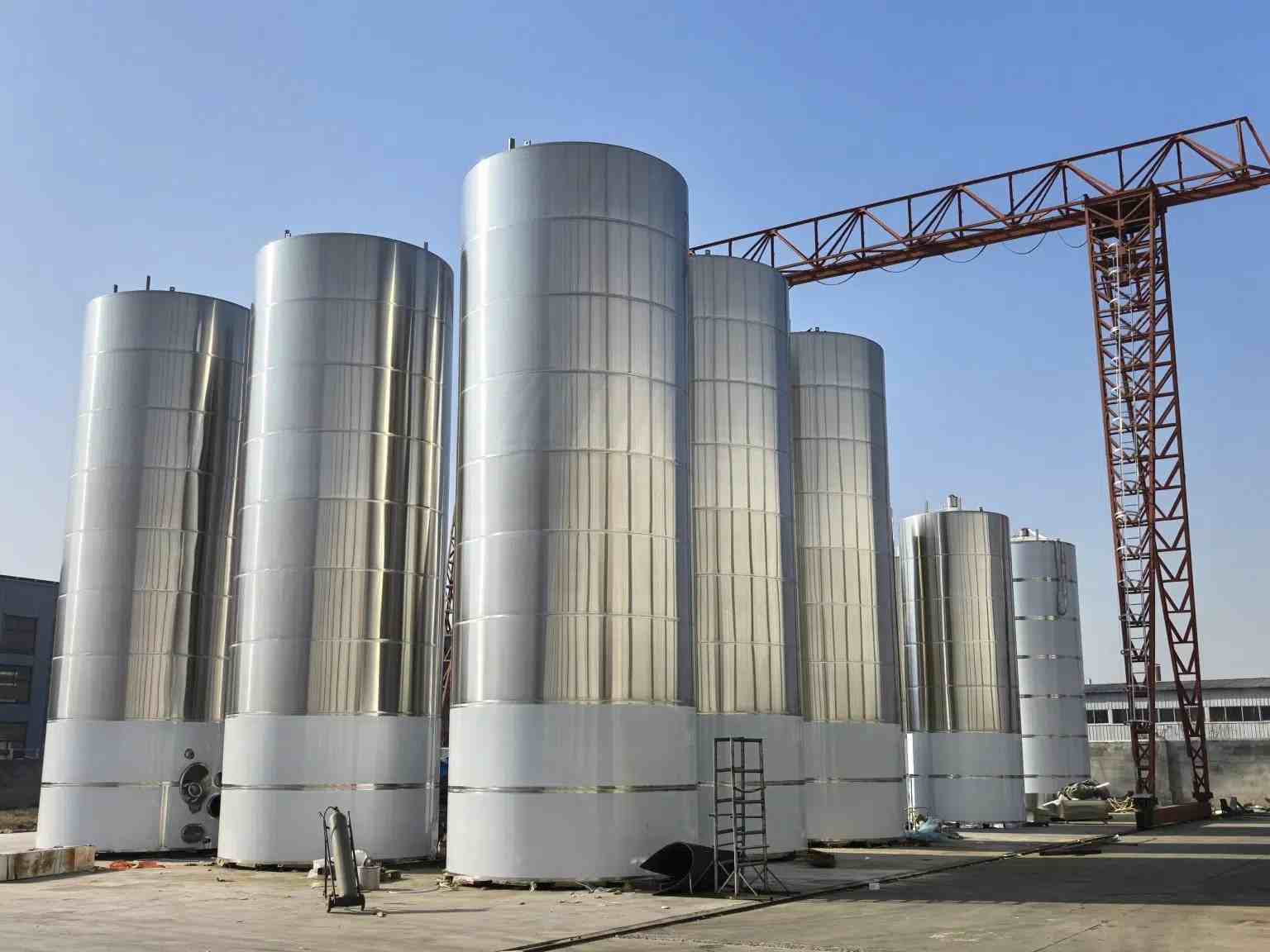
Using specialized dairy equipment, milk can be stored in milk tank. Modern milk silos are made of insulated stainless steel, which helps keep the milk safe and fresh. These silos come in various sizes, with standard silos having an average capacity between 5,000 and 70,000 gallons. The table below lists common silo types used for dairy products. Type of Silo Capacity Range Features Standard Silos 5,000 – 70,000 gallons Features insulated stainless steel design to ensure product safety. Custom Silos Varies Customized to specific needs, varying in shape and size. Key Takeaways Why Milk Needs Special Storage Hygiene Standards for Milk Milk is highly perishable and therefore requires a very clean storage environment. Strict regulations must be followed to ensure milk is safe for consumption. Dairy workers take many measures to prevent bacterial growth and milk spoilage. Milk is subject to stricter regulations than other liquid foods. East African Community (EAC) standards stipulate that pasteurized milk should not contain more than 10 cfu/ml of coliform bacteria, while raw milk can contain up to 50,000 cfu/ml. Studies have found that 21% of milk samples contained at least one type of bacteria. Ultra-high temperature (UHT) milk is the safest, while bulk milk carries the highest

How long can you leave cider in the fermenter?

Cider brewers often wonder how long cider can be left in fermentation tanks. The answer depends on the fermentation stage. You can find recommended times in the table below: Phase Duration Primary Fermentation 7-14 days Secondary Conditioning 2-4 weeks Time is crucial for making quality cider. Studies show that temperature during fermentation affects the aroma and taste of the cider. Higher temperatures can enhance the aroma but may also lead to undesirable flavors. Stainless steel fermentation tanks, like those manufactured by Shandong Chenma Machinery Co., Ltd., help control the fermentation process and achieve better results. Key Takeaways Fermenting Cider: Timeline and Stages Primary Fermentation Period The winemaker first pours the apple juice into fermentation tanks. The first stage is called primary fermentation. Yeast converts the sugar into alcohol and carbon dioxide. You’ll see bubbles and foam appear on the surface. This stage takes about 1 to 2 weeks. Some cider can be made in 7 days, while others take up to 14 days. The temperature inside the fermentation tank is crucial. Higher temperatures speed up fermentation, while lower temperatures slow it down. Stage Duration Primary Fermentation 7 to 14 days Primary (Low, Slow) 1 to 2 weeks Stainless steel tanks maintain a

How much is a milk pasteurization machine?

The price of a milk pasteurizer ranges from several hundred to several thousand dollars. Prices depend on the brand and features. Brands like Kolice, Milky, and CHENMA offer various models. Prices are influenced by several key factors: Key Takeaways Milk Pasteurization Machine Price Range Home and Small-Scale Models Those using milk at home or running a small dairy business can choose a small machine. These machines are easy to operate and portable. Kolice, Milky, and VEVOR are all high-quality pasteurizer brands suitable for beginners and small workshops. These machines typically range in price from $300 to $1200. Prices will vary depending on the machine’s features or capacity. Most small pasteurizers hold 5 to 500 liters of milk. They ensure milk safety through precise temperature control. Many small machines consume little electricity, thus saving costs. Parts can be easily disassembled for cleaning. Because these machines are portable, farmers can take them to their farms. Tip: Small dairy plants can use stainless steel milk tanks. These tanks ensure the milk remains safe before and after pasteurization. Commercial and Medium-Scale Models Medium-sized dairy and cream mills require more powerful, large machines. These machines can process 500 to 5,000 liters of milk at a time. Prices

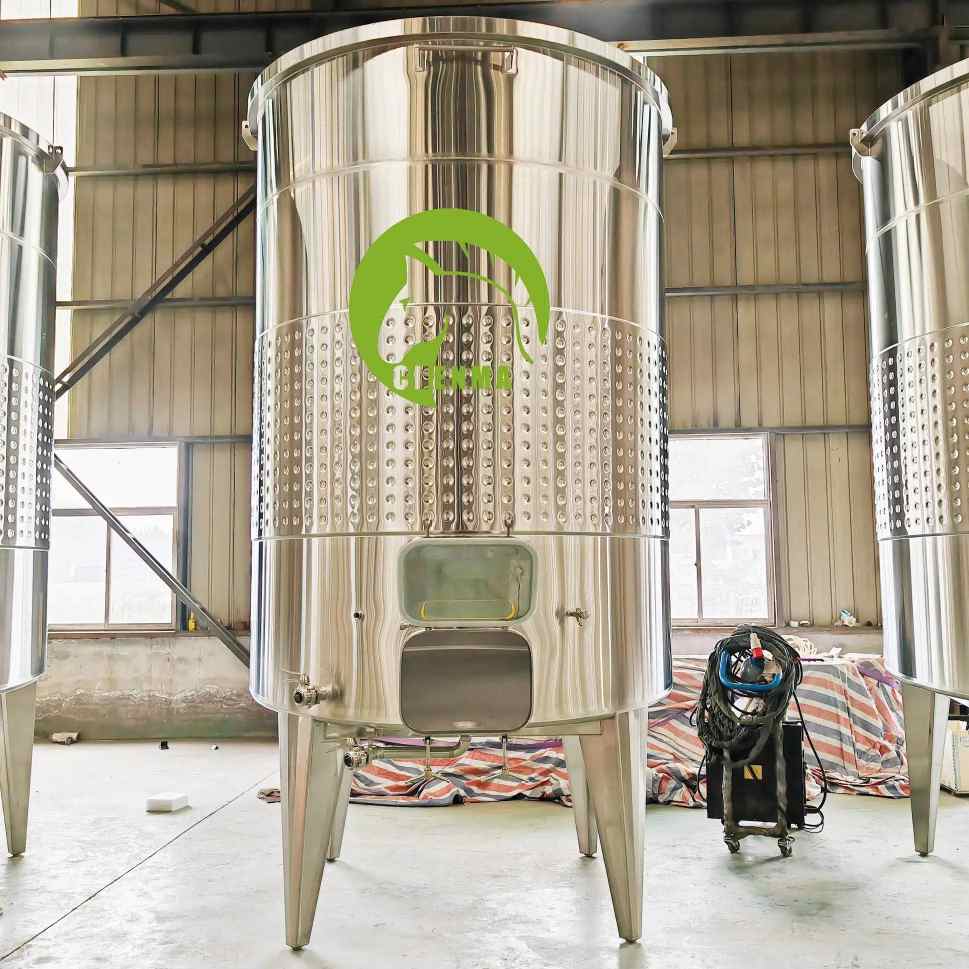
30KL wine fermentation tank

How long to leave wine in a fermentation bucket?

Most winemakers leave their wines in fermentation tanks for 3 to 14 days. The specific aging time depends on the recipe and fermentation rate. Factors such as the type of wine, temperature, and equipment used also affect fermentation time. Proper aging helps the wine develop better color, flavor, and aroma. Studies show that the length of time wine is left in the wine tank affects polyphenol content and antioxidant capacity, thus improving flavor and astringency. Typically, winemakers leave the wine in the tank until it can be transferred to oak barrels or other fermentation tanks to continue fermentation and remove excess sediment. Key Takeaways How Long to Leave Wine in the Fermentation Bucket Standard Timeframes Winemakers often ask how long wine should stay in fermentation tanks. The answer varies depending on several factors, but there are some basic rules. Primary fermentation typically takes 5 to 14 days. During this time, yeast converts sugar into alcohol. Fermentation is very active at this stage. Many winemakers leave wine in fermentation tanks for 3 to 7 days for primary fermentation, especially when making grape wines. If the room temperature is low, fermentation may take longer, sometimes up to two weeks. Covering the fermentation tank with an airtight lid or

Is it okay to store wine in stainless steel?

Yes, wine can be stored in stainless steel tanks. Many winemakers choose this method because stainless steel is robust and durable, able to withstand harsh storage conditions. These wine tanks are easy to clean and maintain, helping to prevent bacterial growth. Winemakers appreciate that stainless steel tanks can maintain the wine at the ideal temperature and facilitate temperature control. These tanks have excellent seals, ensuring that fruit aromas and acidity remain fresh. Furthermore, stainless steel does not affect the taste of the wine, allowing the grapes’ own flavors to fully develop. The global stainless steel tank market is projected to reach $9.4 billion by 2032. This indicates a significant increase in demand for beer and wine storage. Key Takeaways Why Store Wine in Stainless Steel Tanks Stainless Steel Tanks Non-Reactive and Airtight Stainless steel tanks play a vital role in winemaking today. They do not alter the taste or aroma of the wine. Scientists have studied the effects of these tanks on wine. Their research shows that stainless steel helps maintain the freshness and stability of wine. The table below lists the reasons winemakers love stainless steel tanks: Evidence Point Description Non-reactive surface Stainless steel does not absorb odors or emit unpleasant flavors.