Case - CHENMA

Is stainless steel good for water tanks?

Yes, stainless steel is a great pick for water tanks. Experts choose this material because it is strong and clean. It also lasts a long time. Many reports say stainless steel does not rust. It keeps water safe and is simple to clean. CHENMA stainless steel water tanks use good materials. The tanks have smooth surfaces for better hygiene and safety. Reason for Choosing Stainless Steel Water Tanks Description Durability Stainless steel tanks do not rust. They stay strong in bad weather. Hygiene They are the cleanest way to store water. They stop mold and sludge from growing. Cost Efficiency These tanks cost more at first. But they last longer and need less fixing. You save money over time. Environmental Impact They are made from 60-70% recycled materials. They use less energy and help the planet. Ease of Maintenance Stainless steel does not need special coatings. Cleaning and taking care of it is easy. Key Takeaways Advantages of Stainless Steel Water Tanks Hygiene and Water Quality Stainless steel water tanks maintain clean and safe water quality. Experts point out that these tanks effectively inhibit bacterial growth. The smooth, flat surface of the tanks makes them easy to clean and helps

What are the different types of mixing tanks?

Mixing tanks come in a variety of shapes, each suited to a specific purpose. They can be categorized by function, material, appearance, or the type of mixer used. Choosing the right mixing tank is crucial to the final quality of the product. A suitable mixing tank helps the mixer operate efficiently, reduces waste, and improves product quality. Using the optimal mixing tank allows the mixer to achieve the best texture, aroma, and work efficiency. Key Takeaways Mixing Tank Applications Mixing tanks are used in many businesses. Each business uses a mixing tank for a special reason. The right mixing tank helps mixers do their job better. It also makes products safer for people. Some tanks mix food. Other tanks mix chemicals or help make wine. The shape, size, and material of a mixing tank depend on what the business needs. Industrial Mixing Tanks Industrial mixing tanks are essential in factories. They help agitators mix, dissolve, or react materials. Many businesses use these tanks, such as food, cosmetics, and chemical companies. The food and beverage industry uses the most mixing tanks. These tanks must be kept clean and durable. Industrial agitators typically require tanks made of stainless steel, polyethylene (PE), or

What is a milk cooling tank?

Milk cooling tanks are used to store and cool freshly collected milk. Using milk cooling tanks can quickly lower the milk temperature, ensuring its safety for drinking. Nearly 70% of dairy farmers choose to use milk cooling tanks to keep milk fresh and slow bacterial growth. You can see how fast cooling makes a difference in milk safety: Temperature (°C) Time to reach 105 cfu mL−1 (min) 10 No increase in microbial count 14 1020 16 600 20 480 Milk cooling tanks offer a simple way to keep milk safe and fresh. Key Takeaways How does a milk cooling tank work? Cooling process After milking, the milk must be immediately transferred to cooling tanks for cooling. According to dairy safety standards, milk should be cooled from approximately 35°C (95°F) to below 4°C (39°F) within two hours of milking, and ultimately maintained at a storage temperature of 1–3°C (33–38°F). Rapid cooling significantly slows microbial growth and is crucial for maintaining milk freshness. Cooling systems typically employ process chillers, which absorb heat from the milk through refrigerant circulation. Some systems also include pre-cooling units that utilize well water for pre-cooling, reducing the load on the main refrigeration system. Operation steps Tip: Always

How to ferment hard cider?

To make hard cider, you first get fresh apple cider. You pour it into a clean Cider Fermenter. Next, you add yeast. Then you let it sit and ferment. After that, you bottle the finished drink. Good equipment helps your recipe work well. It also keeps everything clean during the steps. Key Takeaways Ingredients & Cider Fermenter Essential Ingredients Every cider recipe needs the right things. Fresh apple juice is the main part. Many people mix apple juices for better taste. The table below shows how apples change flavor: Apple Variety Ratio Recommendation Flavor Contribution Granny Smith Dominant Tartness Crab Apple Occasional Experimental flavor depth Foraged Apples Variable Unique, diverse flavors Choosing a Cider Fermenter A cider fermenter is important for safe and tasty hard cider. CHENMA’s cider fermenter uses food-grade stainless steel. This material helps in many ways: Homebrew fans like CHENMA’s cider fermenter. It has a rubber stopper, sample valves, and temperature controls. These features keep apple juice clean and let users check cider as it ferments. Optional Additions Some homebrewers add extra flavors to apple juice. The table below lists popular cider styles and what makes them special: Cider Style Description Traditional Made from apples and/or pears

25000L white wine fermenters

Our New Zealand Customer Received Their White Wine Fermenter Tanks! 

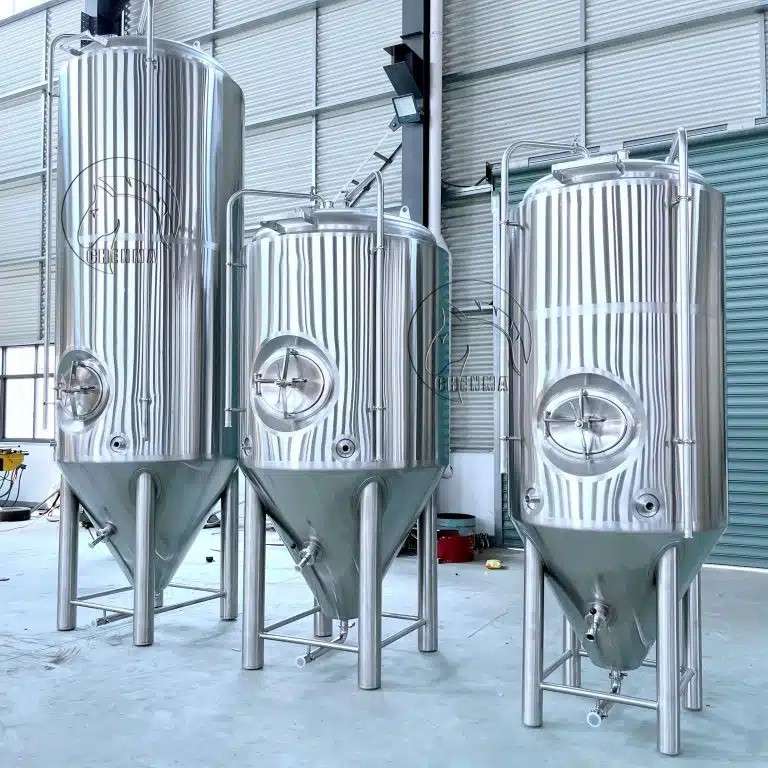
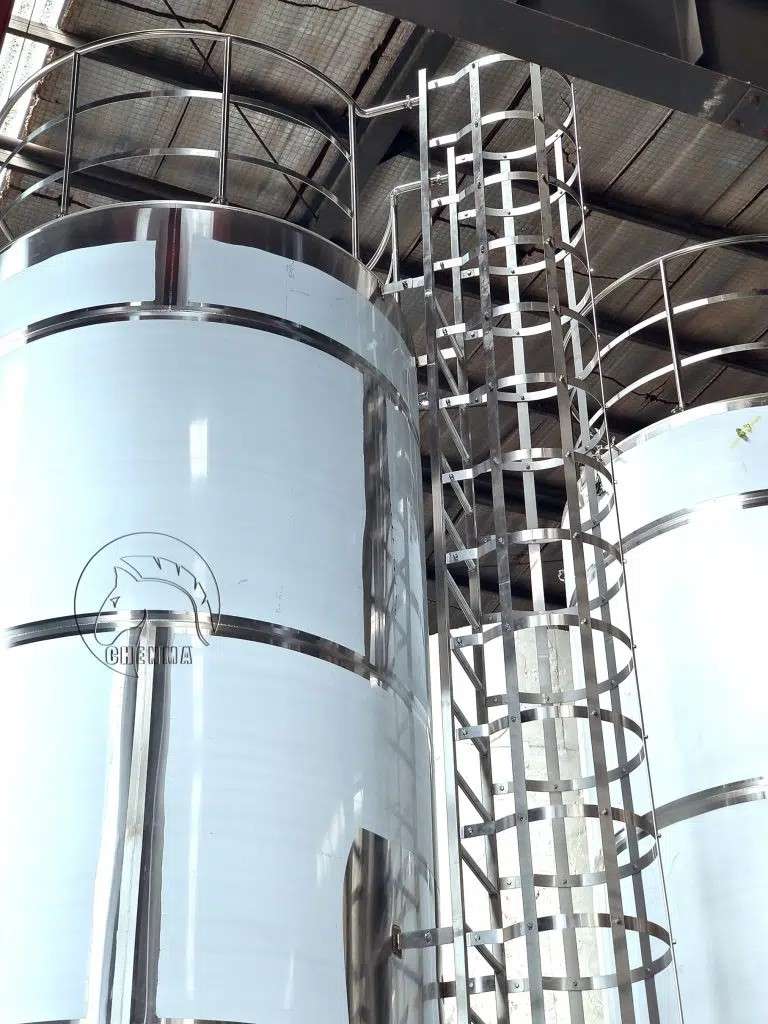
In 2025, one of our customers from Blenheim, New Zealand, placed an order for white wine fermentation tanks, including: 3 x 2,000L 3 x 5,000L 4 x 10,000L 4 x 15,000L 4 x 25,000L All tanks are equipped with catwalks, with the exception that the catwalks are only used for the 4 x 25,000L tanks. The four 25,000L tanks are designed for outdoor installation and feature a double-wall construction with cooling jackets and insulation. On March 20th, the customer successfully received these wine fermentation tanks. This batch of wine tanks is specifically designed for small to medium-sized boutique wineries. Manufactured from food-grade stainless steel 304, the interior surfaces are treated with pickling and passivation, while the internal welds are finely polished — a combination that facilitates smooth sediment settlement and effortless cleaning. To ensure the equipment withstands long ocean freight without damage, we implemented reinforced internal foam cushioning and utilized export-grade packaging for the entire shipment. “Thank you to our customer for the beautiful photos from across the ocean! Our entire team is delighted to see these meticulously crafted stainless steel wine tanks arrive at your winery intact. Your satisfaction is the greatest affirmation of our craftsmanship. We look forward

Are stainless steel fuel tanks good?

Stainless steel oil tanks are a good choice for many jobs. People pick them because they last long, stay clean, and do not break easily. Some people say they cost more and need special ways to put them in. The best tank depends on how you use it, Many experts use these tanks because they give: Key Takeaways Benefits of stainless steel fuel tanks Durability and Strength Stainless steel fuel tanks are known for their exceptional strength. They are capable of withstanding harsh operating environments without compromising their structural integrity. Many businesses opt for stainless steel tanks precisely because their service life typically exceeds that of storage tanks made from other materials. For instance, with proper maintenance, an aluminum tank can last between 25 and 30 years; similarly, if manufactured with expert craftsmanship, a plastic tank may last even longer. However, among all types of storage tanks, stainless steel tanks generally boast the longest service life. They possess superior resistance to denting and cracking. Test results demonstrate that even when subjected to impact or compression, these tanks retain their inherent robustness. It is precisely because of this exceptional strength that stainless steel fuel tanks have become the ideal choice for