
Case - CHENMA

Why use concrete tanks for wine?

Concrete tanks offer winemakers numerous advantages. They help reveal the true flavors of the wine. These wine tanks allow a small amount of oxygen to pass through the walls, softening tannins and adding complexity to the wine’s palate. Winemakers choose concrete tanks because they don’t alter the wine’s flavor profile, preserving its natural character. This results in a wine that is vibrant, clear, fruity, and of excellent quality. Many believe that concrete tanks maintain the purity and freshness of the grapes, thus enhancing the final wine’s quality. Key Takeaways Concrete Tanks and Wine Flavor Concrete Tanks Micro-Oxygenation Effects Concrete tanks are crucial to the flavor of wine. Tiny pores in the tank walls allow a small amount of oxygen to enter. This occurs during the winemaking and aging process. This small amount of oxygen softens tannins and enriches the wine’s flavor. Argentine scientists studied Malbec wines aged in concrete egg-shaped tanks. They found that these wines received two to three times more oxygen than wines aged in oak barrels or stainless steel tanks. Therefore, these wines contained more anthocyanins, tannins, and color. These changes resulted in a better palate and a more balanced flavor. The micro-oxygenation in concrete tanks helps wines develop richer

What is the life expectancy of an lBC tank?

Industry data shows that the lifespan of IBC tanks is typically five to ten years. However, if users choose robust and durable materials, the lifespan can be extended. Proper operating procedures help extend the lifespan of the IBC totes, while minimizing their exposure to harsh environments is also crucial. Regular maintenance and inspections can further extend the lifespan of the tanks. These measures ensure that the tanks remain safe and effective for many years to come. Key Takeaways Life Expectancy of IBC Tanks lBC tank Typical Lifespan Range IBC tanks typically last five to ten years. This depends on their use and maintenance. With proper maintenance, some tanks can last even longer. Regularly inspecting and handling storage tanks gently helps extend their lifespan. Many tanks can be filled and emptied hundreds of times and remain in good working order even after repeated use. Their unique design helps prevent damage from wear, rust, and pressure. This means less maintenance time and less cost of purchasing new tanks. Choosing the right tank and using it correctly helps extend its lifespan. Storing the tank in a safe place and avoiding harsh weather also helps extend its lifespan. lBC tank Material Differences: Plastic vs. Metal The material

Should fermenting cider be kept in the dark?

Cider fermentation tanks works best in darkness. Light, especially sunlight, can alter the quality of cider by producing off-flavors or causing temperature fluctuations. While some studies suggest that ultraviolet light contributes to food safety and extends shelf life, most winemakers still store cider jars in a cool, dark place to preserve their flavor. This simple step helps ensure the final drink tastes fresh and delicious. Key Takeaways Light and Fermenting Cider How Light Affects cider Fermentation The impact of light on cider is far greater than people imagine. If cider is placed in bright light, it can undergo changes that are imperceptible to the naked eye. Scientists point out that ultraviolet (UV) radiation from sunlight and certain types of artificial light can damage fermenting cider. UV radiation can cause the production of harmful substances in cider. Fluorescent lamps also emit UV radiation, which can affect the quality of the cider. Even ordinary indoor lighting can sometimes cause problems. The optimal state for cider fermentation is to avoid direct sunlight. Placing cider in a dark environment helps prevent changes that can negatively affect its taste or aroma. Risks of Sunlight Exposure Sunlight does much more than just light up a room. It also causes the

Are Stainless Steel Water Tanks Worth the Investment?

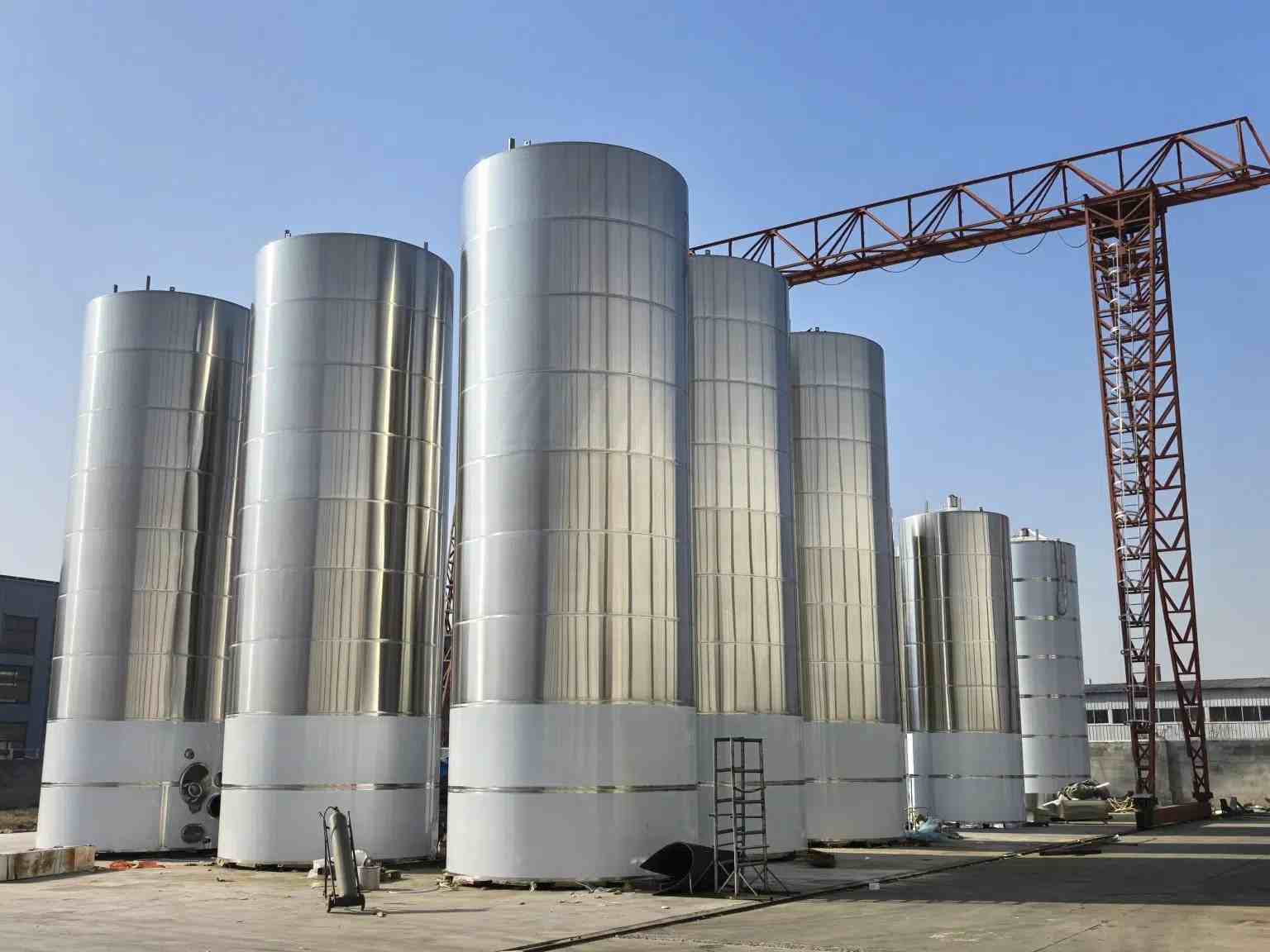
Stainless steel water tanks are the ideal choice for those who want durability and guaranteed water safety. Many people choose stainless steel water tanks because of their long lifespan, ability to withstand harsh weather conditions, and effective inhibition of bacteria and algae growth. Users don’t need to spend much effort on maintenance, and stainless steel tanks have a modern appearance suitable for various environments. Stainless steel is also environmentally friendly because it is recyclable. SD Chenma’s stainless steel water storage tanks are known for their high quality and cost-effectiveness, which is why many people choose them over plastic or concrete tanks. Key Takeaways Stainless Steel Water Tanks: Durability Longevity and Weather Resistance Stainless steel water tanks have a very long service life and can easily withstand harsh weather conditions. Many people buy these tanks hoping they will last for decades. With proper maintenance, they can last for 30 years or even longer. Some tanks can even last up to 100 years. This means you don’t need to replace them frequently, saving you a lot of hassle. The table below shows the average lifespan of different water tank materials: Material Average Lifespan Stainless Steel 30 years or more Plastic 10 to 20 years Concrete

Are stainless steel water tanks better?

Are stainless steel water tanks better?

A stainless steel water tank offers superior durability, hygiene, and longevity, making it a better choice for safe, clean water storage than other materials.